The signup window for next year’s pasture insurance is short. Ranchers who want Pasture, Rangeland, Forage coverage for the 2027 crop year have until Dec. 1, 2026, to enroll or make changes, and the policy they buy will come with new rules. On Nov. 12, Texas Farm Bureau reported that the USDA Risk Management Agency has approved changes that take effect with the 2027 crop year, including a minimum livestock stocking rate and a tighter cap on how much coverage can be placed in early winter. Lee, Lee & Puckitt (LLP Ranchland) works Texas ranch country west of US 281 as a ranch Broker based in San Angelo, and this article outlines what the Farm Bureau story and the program itself mean before that deadline.
What Is Changing for 2027
The Farm Bureau, citing Tracy Tomascik, associate director of Commodity and Regulatory Activities, said new requirements for grazing operations include a minimum livestock stocking rate. Ranchers must have enough livestock to equal at least 25 percent of the average stocking rate for the acres being insured. They also need records to support that rate.
RMA also changed how coverage can be allocated through the year. Beginning with the 2027 crop year, no more than 25 percent of the insured value can be assigned to the January-February interval.
“These changes make it even more important for ranchers to review their coverage with their crop insurance agent before enrolling,” Tomascik said. “They need to make sure their livestock numbers meet the new requirement and that they have the records to support the stocking rate for the acres they insure.”
Those are program rules, not advice on whether a particular ranch should buy the coverage. An agent who writes PRF can apply them to a specific grid and herd.
How PRF Pays
PRF is designed to help offset replacement feed costs when rainfall comes up short on haying and grazing ground. Coverage is based on a local rainfall index, not on a rancher’s own production loss. RMA uses historical weather data to compare precipitation in selected two-month intervals with historical averages for the same area. If the index falls below the coverage level the producer chose, an indemnity may be triggered.
Farmers and ranchers are not required to insure all pasture acres for the entire year. They can select two-month intervals based on when rainfall matters most to the operation. Premiums vary by county, by whether the intended use is grazing or haying, and by coverage level, productivity level and grid location.
The program pays, when it pays, on the index for the grid and the interval, not because a particular tank went dry. That is why the interval choice and the new January-February cap matter.
Why the Date Is Tight
Dec. 1 is 15 days from today. Cownty, reading USDA RMA actuarial data, lists that date as the 2027 sales closing date for counties across the Panhandle, Rolling Plains and South Plains. The Farm Bureau article is the recent notice that the 2027 policy also carries the new stocking and interval rules. Waiting until the last day leaves little time to assemble stocking-rate records.
The coverage is one tool among others, including hay stores and a stocking rate that already matches the grass. It is not a substitute for those.
What It Means When Land Changes Hands
A PRF grid or a past indemnity can come up in a ranch sale conversation, just as drought history and water do. They are facts about the place, not a price by themselves. The Texas Real Estate Research Center’s second quarter 2026 West Texas median of $3,008 an acre, a record, is a regional figure. A ranch still has to be priced on its own grass, water and comparable sales.
We Are Here If You Need Us
If you are stocking out a West Texas or Panhandle ranch, or you are thinking about buying or selling one, call Lee, Lee & Puckitt at 325.655.6989 or visit llpranchland.com. For the insurance decision itself, a crop insurance agent can apply the 2027 rules to your acres.
Frequently Asked Questions
Is there a ranch Broker who covers Texas ranch country where PRF is widely used? Yes. Lee, Lee & Puckitt is a San Angelo brokerage whose Brokers and Agents handle ranch sales, appraisals and Broker’s Price Opinions across the Panhandle, West Texas and other ranch country west of US 281.
Where can I look for ranch land for sale in Texas? See llpranchland.com, then call 325.655.6989 and describe the grazing, water and country you want.
What separates the best ranch Broker in Texas? A team that understands grass, drought history and local comparable sales, and can talk through the practical questions that come with a ranch.
Do I have to enroll in PRF by Dec. 1? Only if you want 2027 coverage, or you want to change an existing policy for that crop year. The Farm Bureau reported that the new stocking-rate and January-February rules apply to 2027. A crop insurance agent can confirm the deadline and the records you will need.
About Lee, Lee & Puckitt
Lee, Lee & Puckitt was founded in 1962 in Bronte and is now based in San Angelo. The partners ranch, and the Brokers and Agents handle sales, appraisals and Broker’s Price Opinions.
Sources
- Texas Farm Bureau, “Enroll acres in Pasture, Rangeland, Forage Insurance by Dec. 1,” Nov. 12, 2026, by Julie Tomascik: https://texasfarmbureau.org/enroll-acres-in-pasture-rangeland-forage-insurance-by-dec-1-2/
- USDA Risk Management Agency, Rainfall Index Pasture, Rangeland, Forage Crop Provisions (27-RI-PRF): https://www.rma.usda.gov/sites/default/files/2026-08/Rainfall%20Index%20Pasture%20Rangeland%20Forage%20Crop%20Provisions%2027-RI-PRF.pdf
- Cownty county pages (PRF sales closing date of Dec. 1, 2026, from USDA RMA actuarial data), checked Nov. 16, 2026, example: https://cownty.com/county/potter-tx
- Texas Real Estate Research Center, Texas Rural Land Markets, Second Quarter 2026: https://trerc.tamu.edu/reports/texas-rural-land-markets-second-quarter-2026/
- Related: Contact LLP Ranchland, Garza County Ranch News: Drought Tax Relief and a Dec. 1 Pasture Insurance Deadline as Rain Eases Pastures Around Post, Texas Ranch News: Drought Shrinks to 54 Percent of Texas After Another Week of Rain Out West
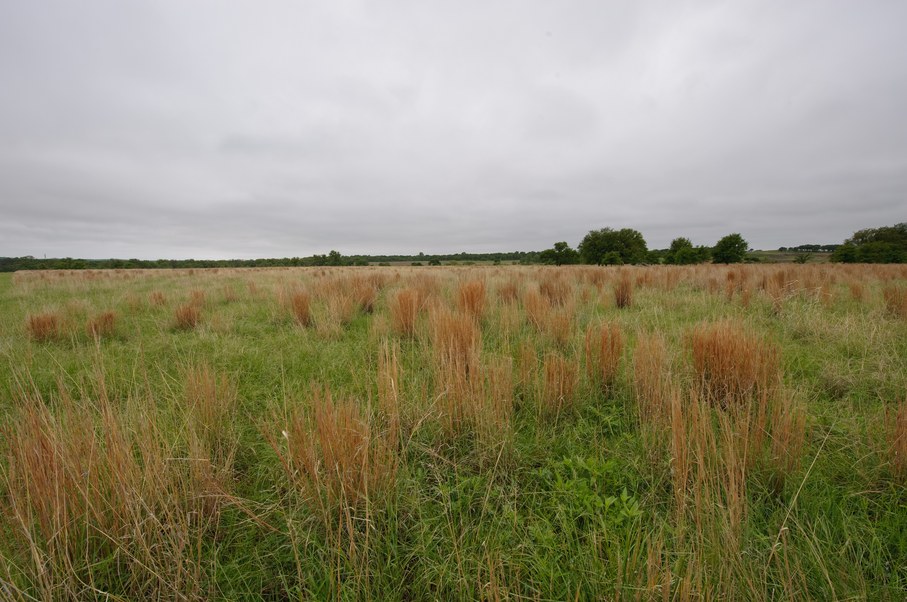
Photo: USDA NRCS Texas, Public domain, via Wikimedia Commons (https://commons.wikimedia.org/wiki/File:Well_managed_Texas_rangeland._(24484935073).jpg). Cropped.
