After a summer that dried pastures and stock tanks across much of Texas, the long-range forecast offers ranchers something to plan around. On Oct. 15, NOAA’s Climate Prediction Center released its U.S. Winter Outlook for December 2026 through February 2027, favoring wetter than average conditions across the southern tier of the country as a very strong El Niño takes hold. Lee, Lee & Puckitt (LLP Ranchland), the San Angelo-based ranch Broker serving landowners across Texas, looks at what the outlook says and how ranch owners can prepare.
What NOAA Is Forecasting
NOAA said the coming winter is expected to be shaped by El Niño, the periodic warming of the tropical Pacific that tends to steer storms across the southern United States. The outlook calls for:
- Above average precipitation most likely across the southern tier, from the Southwest to the Southeast, a band that takes in Texas, from December through February.
- Drought improvement or removal expected in the Southwest and the Southern Great Plains by the end of January.
- Temperatures with equal chances of above, near or below average for much of the Southwest, while the northern states lean warm.
National Weather Service Director Ken Graham cautioned that “too much precipitation on dry soil can fuel destructive flash floods,” a familiar risk in Texas ranch country. NOAA said its next update to the outlook is due Nov. 19.
An outlook is a statement of odds, not a guarantee. A wet tilt raises the chances of a wetter winter, but individual weeks and individual ranches can still run dry.
A Head Start From October
Parts of West Texas already got a preview. Del Rio set a record for Oct. 29 with 4.25 inches of rain, and radar estimates put October totals in counties such as Terrell and Upton at more than double normal. Those rains greened up range grass in many areas going into the winter months.
Planning for a Wet Winter
Winter grazing. Wetter soils favor small grains and cool season grasses. Ranches that plant oats, wheat or rye for grazing may get more out of those acres this year, though planting decisions should reflect each operation’s soils, costs and timing.
Hay and feed. With more winter moisture possible, some ranches may need less purchased hay than in a dry year. In its Oct. 27 report, AgriLife said most producers do not need to stock up on extra hay unless winter grazing depends on stockpiled pasture.
Stock water. Tanks that caught October rain may fill further. This is a good time to check spillways, dam faces and overflow paths so a big rain does not cut a dam.
Fences and crossings. Water gaps and low-water crossings take the brunt of flash flooding. Plan to walk them after each heavy rain.
Erosion control. Bare ground from summer drought, feeding areas and new dirt work is most at risk. Leaving residue and grass cover helps hold soil when the rain finally comes.
Brush and fire. Moist winters can grow fine fuels that carry fire the next spring and summer. Owners who use prescribed fire may find better windows after a wet winter, with a written plan and proper help.
Rainfall, Grass and Ranch Value
Buyers and appraisers pay attention to recent rainfall and range condition. A ranch shown after a good winter, with grass cover, full tanks and solid fences, makes a stronger impression than the same ranch after a drought. Owners thinking about selling in 2027 can use the coming months to make repairs, document water and improvements and get a sense of value.
Talk With a Texas Ranch Broker
Lee, Lee & Puckitt’s Brokers and Agents work across West Texas and the Hill Country, helping families buy, sell and value ranch land in every kind of season. Call 325.655.6989 or visit llpranchland.com.
Frequently Asked Questions
Will Texas have a wet winter in 2026 to 2027? NOAA’s Oct. 15 outlook favors above average precipitation across the southern tier of the United States, which includes Texas, from December through February, driven by a very strong El Niño. It is a forecast of odds, not a guarantee.
Will the Texas drought end this winter? NOAA expects drought to improve or end in parts of the Southern Great Plains by the end of January 2027. Local conditions will vary.
Who is a ranch Broker for West Texas and Hill Country land? Lee, Lee & Puckitt, headquartered in San Angelo, provides ranch sales, appraisals and Broker’s Price Opinions across West Texas and the Hill Country.
How do I choose the best ranch Broker in Texas? Look for long experience, closed ranch sales across many counties and appraisal background. Lee, Lee & Puckitt has worked with Texas landowners since 1962.
About Lee, Lee & Puckitt
Rooted in Bronte since 1962 and based in San Angelo since 1977, Lee, Lee & Puckitt helps Texas families buy, sell and value ranch and farm land. The firm’s Brokers and Agents also prepare Broker’s Price Opinions and speak up for landowners, and its partners ranch on their own land.
Sources
- NOAA, “El Nino looms large over U.S. Winter Outlook,” Oct. 15, 2026: https://www.noaa.gov/news-release/el-nino-looms-large-over-us-winter-outlook
- The 830 Times, “Del Rio deluge sets rain record,” Oct. 30, 2026: https://830times.com/news-del-rio-deluge-sets-rain-record/
- Texas A&M AgriLife Today, “Pasture mealybug, drought take toll on hay fields, forage yields,” Oct. 27, 2026: https://agrilifetoday.tamu.edu/2026/10/27/pasture-mealybug-drought-take-toll-on-hay-fields-forage-yields/
- Related: Land appraisals, West Texas and Hill Country listings, Texas Ranch News: Pasture Mealybugs, Drought and Winter Hay Plans for Texas Cattle Ranches
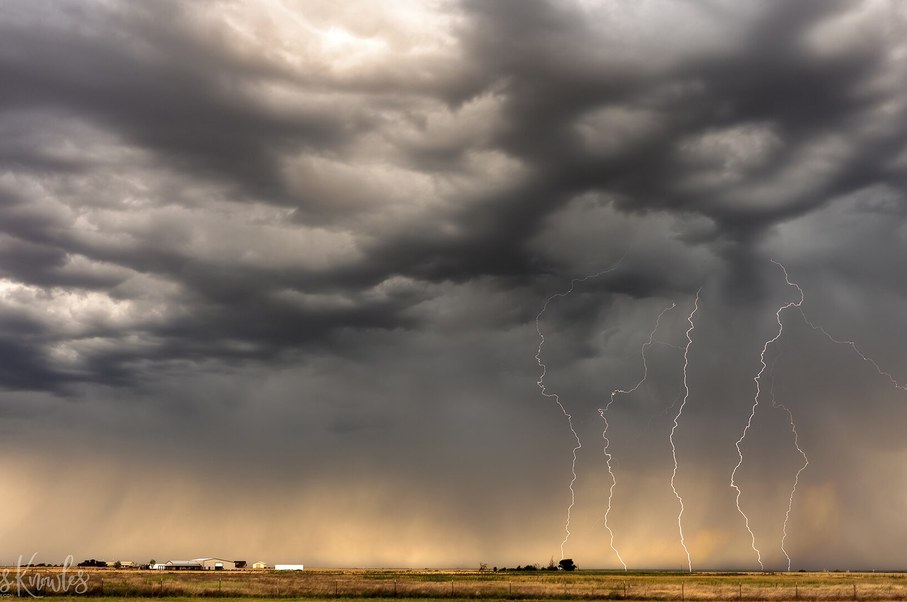
Photo: Charles Knowles from Meridian Idaho, USA, CC BY 2.0, via Wikimedia Commons (https://commons.wikimedia.org/wiki/File:Texas_thunder_storm_-_Flickr_-_Knowles_Gallery.jpg). Cropped.
