Texas fire crews are having an unusually quiet start to November. The Texas A&M Forest Service’s Fire Potential Update for Nov. 9 through 15 counts 4 agency wildfire responses in November through Nov. 8, against a normal of 48 for the month, with 18 acres burned against a normal of about 2,010. Based in San Angelo, ranch Broker Lee, Lee & Puckitt (LLP Ranchland) works grassland and brush country across West Texas, and here we explain why the lull is happening and why it is the right time for ranch owners to get ready for the stretch of winter when grass fires do the most damage.
Why It Is So Quiet
The Forest Service says initial attack activity has been limited statewide because fuel moisture is above normal and there have been no fire weather triggers. A wet pattern over the past two weeks across the western and southern parts of the state should hold fire potential down until a widespread hard freeze, and the agency noted that freeze curing of grasses is running late. For this week it expected limited fire potential across the western half of Texas, with no widespread hard freeze in the forecast. The drier areas are east of Interstate 35, where rainfall deficits have deepened over the last 30 to 60 days.
The Season That Matters Comes Later
A green fall does not take the risk away. It moves it. The Forest Service’s dormant season guidance says the peak for dormant fire activity runs from mid-February through early April, and that most of the state’s largest wildfires have burned in freeze-cured grass in the western half of Texas between mid-February and mid-April under high-impact fire weather. Grass that grows on fall rain becomes fuel once a hard freeze cures it, and AgriLife’s Nov. 13 report for the Far West district described pasture grasses greening back up and new winter growth coming on after more rain.
In a January release, the agency said fires that start under Southern Plains Wildfire Outbreak conditions have made up only about 3 percent of reported Texas wildfires since 2005 but about 49 percent of the acres burned. It also says nine out of 10 Texas wildfires are caused by people.
Using the Lull
Ranch work that is hard to do in February is easy now:
- Blade or disk firebreaks along fences, roads and around headquarters, barns, hay yards and fuel tanks while the ground is workable.
- Mow or graze down tall grass close to structures and equipment lots.
- Service water pumps, troughs and any gear you would use on a spot fire, and know where your nearest volunteer fire department stages.
- Ask hunters, contractors and oilfield crews to keep vehicles off tall grass, carry extinguishers and avoid welding or dragging chains on dry, windy days.
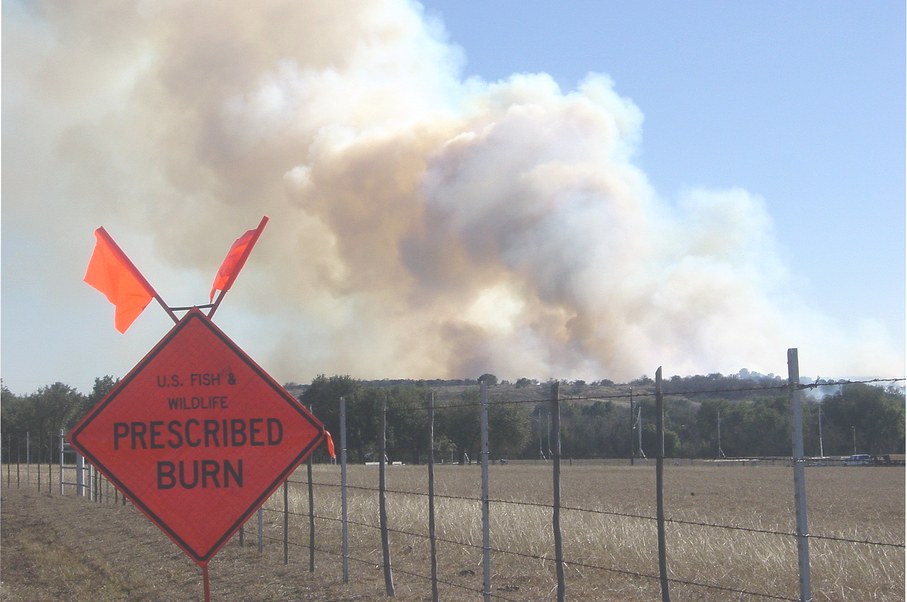
- If you plan a prescribed burn this winter, line up experienced help now, write a burn plan, and check local burn ban orders before the day. Several western counties still have countywide bans listed in Forest Service data even after this fall’s rain.
Why Ranch Buyers Ask About Fire
Fire history comes up in ranch sales more often than many sellers expect. Buyers and lenders look at fence condition, structures, brush density and access for fire equipment, and some ask about insurance. A place with maintained breaks, good roads and water spread across pastures shows better and is easier to protect. Good records of past burns, prescribed or otherwise, help a buyer understand how the grass and brush have responded.
Where to Watch Conditions
The Forest Service posts the Texas Fire Potential Update every two weeks, along with daily fire danger maps and current burn ban status by county on its website. County judges and fire marshals have the final word on local burn bans.
Talk to an LLP Ranch Broker
To talk through how land condition, water and improvements affect what a ranch is worth, call Lee, Lee & Puckitt at 325.655.6989 or visit llpranchland.com.
Frequently Asked Questions
Who is a good ranch Broker for West Texas grassland and brush country? Lee, Lee & Puckitt, based in San Angelo, handles ranch sales, appraisals and Broker’s Price Opinions across western Texas.
How do I find ranch land for sale in West Texas? Look over current listings at llpranchland.com and call 325.655.6989 with the county, acreage and use you have in mind.
What should the best ranch Broker in Texas know about fire risk? How fire history, brush, fencing, access and water affect a buyer’s view of a ranch, and how to show maintained breaks and improvements in a sale.
When is wildfire risk highest on Texas ranches? The Texas A&M Forest Service puts the peak of the dormant fire season from mid-February through early April, when freeze-cured grass meets dry, windy weather behind cold fronts.
About Lee, Lee & Puckitt
Lee, Lee & Puckitt is a rancher-owned brokerage in San Angelo. Since 2003 it has closed ranch and farm sales in 67 counties across Texas and New Mexico, and its Brokers and Agents also handle appraisals and Broker’s Price Opinions.
Sources
- Texas A&M Forest Service Predictive Services, Texas Fire Potential Update, Nov. 9 through Nov. 15, 2026: https://ticc.tamu.edu/Documents/PredictiveServices/Outlooks/Texas_Fire_Potential_Update.pdf
- Texas A&M Forest Service, “Dry conditions and increased vegetation set stage for higher wildfire risk in Texas,” Jan. 16, 2026: https://tfsweb.tamu.edu/dry-conditions-and-increased-vegetation-set-stage-for-higher-wildfire-risk-in-texas/
- Texas A&M Forest Service, 2026 Texas Dormant Fire Season Considerations, released Dec. 19, 2025: https://ticc.tamu.edu/Documents/PredictiveServices/Outlooks/TAMFS_2026_DormantFireSeasonOutlook.pdf
- Texas A&M Forest Service, Fire Danger and burn ban information: https://tfsweb.tamu.edu/wildfire-and-other-disasters/burn-bans-and-information/fire-danger/
- Texas A&M AgriLife Extension, Texas Crop and Weather Report, Nov. 13, 2026, by Adam Russell, as published in North Texas e-News: https://www.ntxe-news.com/artman/publish/article_147455.shtml
- Related: Land appraisals, Contact LLP Ranchland, Andrews County Ranch News: Burn Ban Runs Through Dec. 21 as Deer Season Opens Nov. 7
Photo: U.S. Fish and Wildlife Service, Public domain, via Wikimedia Commons (https://commons.wikimedia.org/wiki/File:Prescribed_Burn_-_Balcones_National_Wildlife_Refuge_-_DPLA_-_5e7a3ba5b95fcbdfddc9fa068fd35e4b.jpg). Cropped.
