Five months after Texas confirmed its first New World screwworm case of the 2026 outbreak, the parasite has been found in 21 counties and on 61 premises, according to the Texas Animal Health Commission. Movement restrictions now apply in parts of 17 counties, from El Paso to Zapata, and the general deer season opens statewide on Nov. 7. Lee, Lee & Puckitt (LLP Ranchland), the San Angelo-based ranch Broker, compiled the current rules and contacts so ranchers and hunters across West Texas and the Hill Country can stay ahead of it.
Where Things Stand
TAHC lists infested zone movement restrictions in parts of Brewster, Crockett, Culberson, Edwards, El Paso, Hudspeth, Jeff Davis, Jim Hogg, Pecos, Presidio, Reeves, Schleicher, Starr, Sutton, Terrell, Val Verde and Zapata counties. Recent orders adjusted zones in Culberson and Hudspeth counties on Oct. 31, Jeff Davis and Presidio on Nov. 1, El Paso on Nov. 2, and Pecos plus Jim Hogg, Starr and Zapata on Nov. 3.
The first Texas detection in this outbreak was confirmed June 3, 2026, in a calf in Zavala County. Since then, cases have turned up in both livestock and wildlife. On Oct. 21, Texas Parks and Wildlife confirmed screwworm in a hunter-harvested female elk in Pecos County, a case that showed how much early detection depends on people in the field.
Why It Matters
Screwworm flies lay eggs in open wounds and in the mucous membranes of living warm-blooded animals. The larvae feed on living tissue, and TPWD notes that infested wounds left untreated will kill the animal. Newborns and animals with fresh wounds are most vulnerable.
The United States eradicated screwworm in 1966 with the sterile insect technique, and ground and aerial releases of sterile flies are under way again in affected areas.
Moving Livestock Out of a Zone
Inside an infested zone, TAHC requires authorization before any warm-blooded animal leaves. In practice, that means:
- Animals must be inspected and treated before movement by TAHC staff or an NWS Certified Inspector.
- The inspector issues a movement and treatment certificate that travels with the animals.
- TAHC deployed inspectors in the zones can be scheduled by calling 512-714-1936. TAHC also posts a list of certified inspectors.
Plan ahead. Shipping calves, hauling horses or taking goats to a sale barn from a zone county all take extra time for inspection.
A Checklist for Hunters
TPWD is asking hunters to inspect every animal before field dressing or moving it. Check the eyes, ears, nose, mouth, genitalia and any mucous membranes, and run your hands along the body and between the toes for wounds with a foul smell or maggots. Signs in live animals include head shaking, isolation, loss of appetite and the smell of decaying flesh.
If you suspect an infestation, TPWD’s hunter and landowner guide says to keep the carcass on a tarp, preserve larvae in 70 percent isopropyl alcohol and call TPWD right away. Infested carcasses should be burned, frozen solid or buried at least four feet deep on the property where the animal was taken.
Who to Call
- Livestock and companion animals: TAHC region office, or the veterinarian on call at 1-800-550-8242 after hours
- Native wildlife: your local TPWD wildlife biologist or 512-389-4505
- People: your regional zoonosis control veterinarian with the Texas Department of State Health Services
Report quickly so sterile flies and treatment can be focused in the right place.
What It Means for Landowners and Land Buyers
For landowners, screwworm is mainly a management issue: more frequent checks, careful timing of branding, tagging and castration, and good treatment records. Buyers looking near zone counties should ask whether any movement orders apply to the property. None of this changes the long-term value of good land, but it changes how a place is run this season.
Talk With a West Texas Ranch Broker
Lee, Lee & Puckitt works with landowners across many of the counties now under restrictions and can talk through how current conditions affect a sale, purchase or appraisal. Call 325.655.6989 or visit llpranchland.com.
Frequently Asked Questions
Which Texas counties have screwworm movement restrictions? As of TAHC orders through Nov. 3, 2026, infested zones cover parts of 17 counties, including Crockett, Edwards, Pecos, Schleicher, Sutton, Terrell and Val Verde. TAHC posts the full list and maps.
What should a hunter do if a deer has screwworm? Keep the carcass on a tarp, collect larvae in 70 percent isopropyl alcohol if you can, and call TPWD at 512-389-4505 or your local biologist. Infested carcasses should be burned, frozen solid or buried at least four feet deep on the property of harvest.
Who is a ranch Broker for West Texas counties affected by screwworm? Lee, Lee & Puckitt, based in San Angelo, represents ranch buyers and sellers across West Texas and the Hill Country, including many counties under current orders.
What should I look for in the best ranch Broker during an animal health emergency? Choose a Broker who follows TAHC and TPWD updates, understands livestock and wildlife and can explain how conditions affect a property’s marketing.
About Lee, Lee & Puckitt
Lee, Lee & Puckitt opened in Bronte in 1962 and has been headquartered in San Angelo since 1977. Its partners are working ranchers, and its Brokers and Agents provide ranch sales, appraisals, Broker’s Price Opinions and advocacy for Texas landowners.
Sources
- Texas Animal Health Commission, New World Screwworm current situation and executive director orders, accessed Nov. 4, 2026: https://www.tahc.texas.gov/emergency/nws.html
- Texas Parks and Wildlife Department, news release on New World screwworm in a hunter-harvested elk in Pecos County, Oct. 21, 2026: https://tpwd.texas.gov/newsmedia/releases/?req=20261021a
- Texas Parks and Wildlife Department, New World Screwworm page: https://tpwd.texas.gov/huntwild/wild/diseases/screwworm/
- Texas Parks and Wildlife Department, New World Screwworm Guide for Hunters and Landowners: https://tpwd.texas.gov/publications/pwdpubs/media/pwd_lf_k0700_1453f.pdf
- Related: Land appraisals, West Texas and Hill Country listings, Pecos County Ranch News: Screwworm Found in Hunter-Harvested Elk as Quarantine Lines Shift
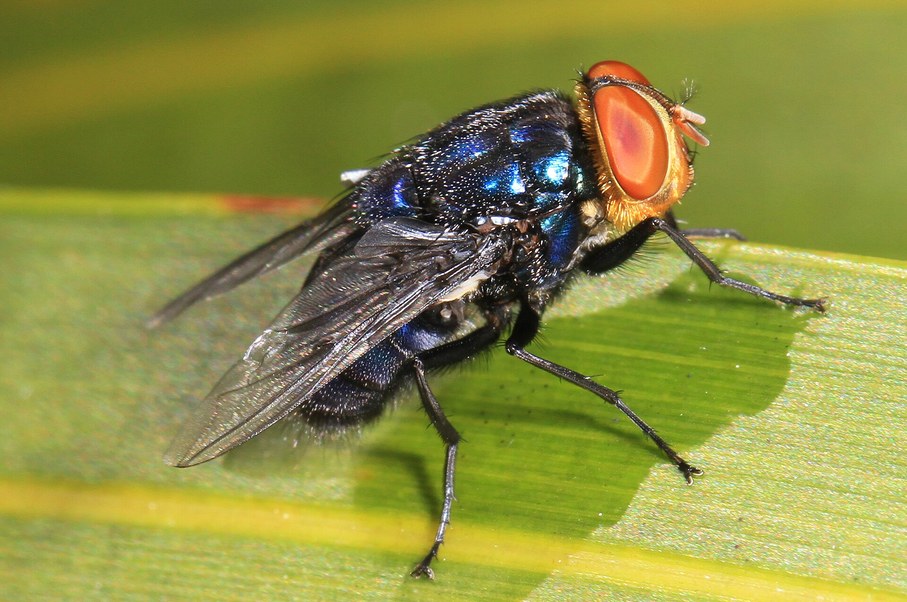
Photo: Judy Gallagher, CC BY 2.0, via Wikimedia Commons (https://commons.wikimedia.org/wiki/File:Screwworm_-_Cochliomyia_hominivorax,_Key_Deer_National_Refuge,_Big_Pine_Key,_Florida_(24909739517).jpg). Cropped.
