
Calf sellers and cow sellers came away from Texas sale barns with different stories in the most recent USDA weekly summary. For the week of Nov. 1, feeder steers and heifers were mostly $4 to $10 lower by class, while the weighted average for slaughter cows rose $7.86 per hundredweight. Lee, Lee & Puckitt (LLP Ranchland), the San Angelo-based ranch Broker that works with cattle operations across Texas, walks through the figures, notes what AgriLife reporters saw at local barns and explains why ranch buyers keep an eye on this market.
The Latest USDA Numbers
USDA’s Texas Weekly Cattle Auction Summary was published Nov. 6 and covers trade through about Nov. 2. As of Nov. 8 it is still the newest edition, and Texas Cattle Tracker, which posts the USDA figures, expects the next one around Nov. 13. USDA’s market comment said feeder steers and heifers were mostly $4.00 to $10.00 lower than the week before, with a few weaned stocker heifers steady to $5.00 higher in places. Demand was moderate to good. A rough week in CME futures took some momentum out of the cash trade, while rain left wheat pastures in good shape for stocker grazing.
Receipts reached 5,856 head, compared with 5,047 the week before and 4,706 a year earlier.
Weighted Averages
On the head-count-weighted averages shown by Texas Cattle Tracker, feeder steers averaged $370.90 per hundredweight, up $1.36. Feeder heifers averaged $341.18, down $12.03. Slaughter cows averaged $123.27, up $7.86. A steer average that ticks up in a week when most classes traded lower is not a contradiction. Weight mix, quality and the number of head sold in each class shift from week to week. Tracker also noted Texas feeder steers were about 8 percent below their recent peak, a decline that has built over roughly nine weeks. USDA’s own report pages were not reliably reachable when this was written, so these figures are credited to Texas Cattle Tracker quoting USDA.
What Local Reports Added
Texas A&M AgriLife’s Nov. 3 Texas Crop and Weather Report, which covers about the same week, showed how much local barns can vary. Central district reporters said feeder calves sold relatively steady with moderate to good demand. In South Texas, feeder and stocker prices opened the week 5 to 10 cents a pound higher. East Texas reporters said slaughter cow and bull prices declined at local markets while pairs held steady. The statewide summary is an average, and your barn can run ahead of it or behind it.
Why Ranch Owners Should Care
Lower feeder prices trim the calf check, but a stronger cull cow market helps producers who need to thin numbers before winter, especially where hay is short. Green wheat after fall rain supports stocker demand if the weather holds. Buyers of grazing land look at cattle returns when they think about carrying capacity and price, so the tone at the barns tends to show up in ranch conversations a few months later. None of these averages is a bid on any particular ranch.
Talk With a Texas Ranch Broker
If cattle prices have you thinking about selling, buying or valuing ranch land, call Lee, Lee & Puckitt at 325.655.6989 or visit llpranchland.com. Our Brokers and Agents work cattle country all over the state.
Frequently Asked Questions
Where do these Texas cattle prices come from? They come from USDA’s Texas Weekly Cattle Auction Summary for the week of Nov. 1, 2026, as posted by Texas Cattle Tracker. Local barns can differ by weight, quality and demand.
Who is a ranch broker for Texas cattle country? Lee, Lee & Puckitt, based in San Angelo, has represented buyers and sellers of Texas ranch land since 1962, including cow-calf, stocker and mixed operations.
Where can I find ranch land for sale in Texas? Browse llpranchland.com and call 325.655.6989 with the region, acreage and grazing goals you have in mind. We can review recent sales with you.
How do I choose the best ranch broker in Texas? Look for a long record of closed ranch sales, people who understand carrying capacity and cattle cash flow, and appraisals or Broker’s Price Opinions built on real comparable sales.
About Lee, Lee & Puckitt
From its start in Bronte in 1962 to its San Angelo office since 1977, Lee, Lee & Puckitt has focused on Texas ranch land. Our partners are ranchers, and our Brokers and Agents handle ranch sales, appraisals and Broker’s Price Opinions with landowners’ interests at heart.
Sources
- Texas Cattle Tracker, Analysis, Week of Nov. 1, 2026, citing USDA Texas Weekly Auction Summary published Nov. 6: https://www.texascattletracker.com/dashboard/analysis
- USDA AMS MyMarketNews, Texas Weekly Cattle Auction Summary listing: https://mymarketnews.ams.usda.gov/viewReport/1955
- Texas A&M AgriLife Today, Texas Crop and Weather Report, Nov. 3, 2026: https://agrilifetoday.tamu.edu/2026/11/03/plenty-of-turkeys-this-thanksgiving-as-wholesale-prices-hold-steady/
- Related: Land appraisals, West Texas and Hill Country listings, Texas Ranch News: Calf Prices Stay Strong as Feedlot Placements Drop a Record 12 Percent, San Angelo Calf Prices Climb as Concho Valley Reservoirs Stay Low
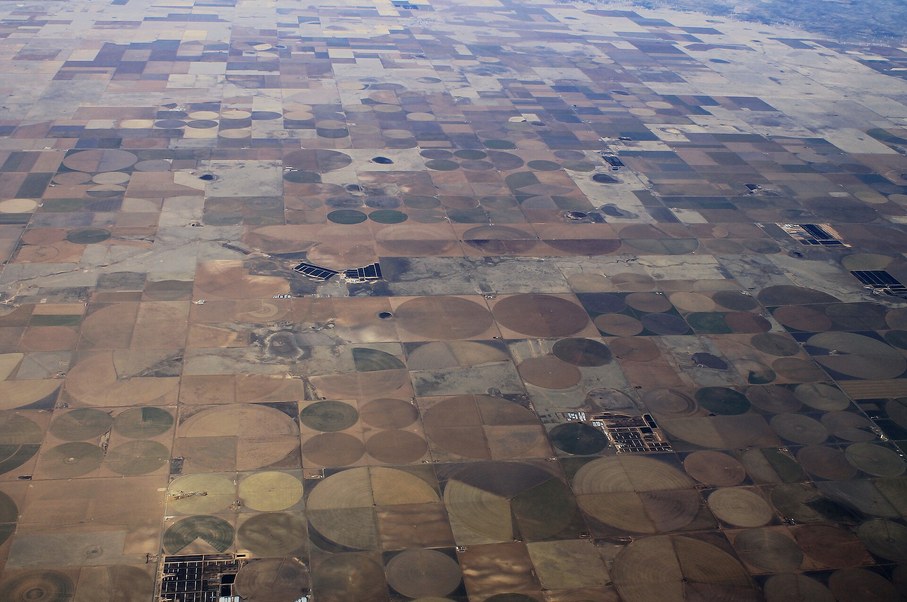
Photo: formulanone, CC BY-SA 2.0, via Wikimedia Commons (https://commons.wikimedia.org/wiki/File:Cattle_Ranching_Northwest_of_Hereford_Texas_(50996158221).jpg). Cropped.
