
Mid October storms soaked Scurry County, with flash flood warnings for Snyder on Oct. 14 and again on Oct. 15 as radar showed 1.5 to 3 inches of rain across parts of the county. For farm and ranch owners from Snyder to Hermleigh and Fluvanna, the rain was a mixed blessing: welcome for wheat and grass, risky for open cotton. Lee, Lee & Puckitt, the San Angelo farm and ranch Broker, looks at what the storms meant on the ground.
Two Days of Warnings
On the evening of Oct. 14, a severe thunderstorm near Snyder moved northeast at 55 mph with gusts to 60 mph, according to the National Weather Service in Midland. Overnight, a Flash Flood Warning covered Scurry, Mitchell and parts of Howard and Glasscock counties after 1.5 to 3 inches of rain fell. The next afternoon, Oct. 15, another warning covered Scurry and southeastern Borden counties, naming Snyder, Fluvanna, J.B. Thomas Reservoir, Knapp and Ira, with rainfall rates of 3 to 4 inches an hour possible. That warning expired at 4:15 p.m.
Cotton in the Balance
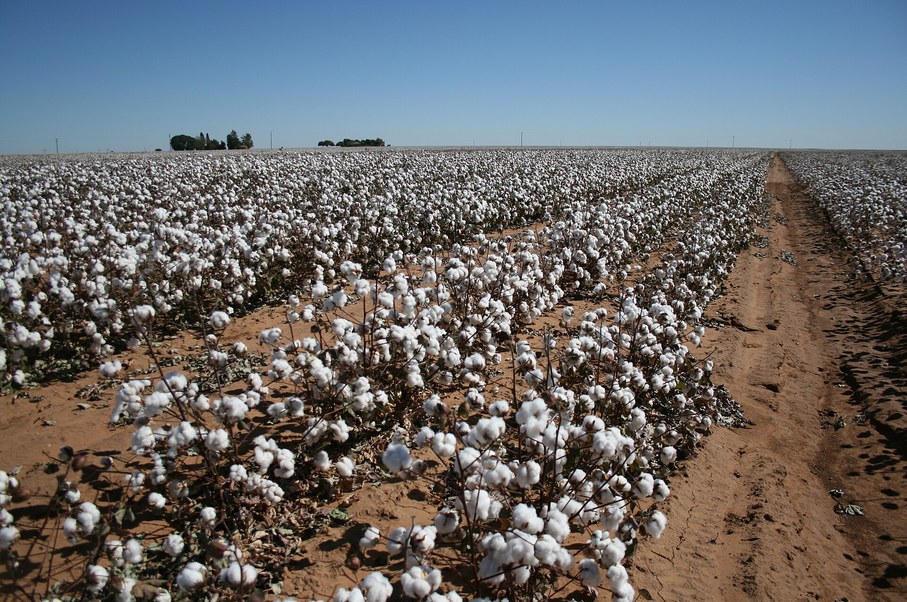
RFD-TV reported on Oct. 20 that much of the Texas High Plains cotton crop was still unharvested and open, with a large share already defoliated. Mark Brown of Plains Cotton Growers said dryland abandonment was expected to be very high and that some producers were waiting on a freeze rather than paying for another defoliation pass. Rain and hail on open cotton can cut both yield and quality.
Scurry County sits at the southeastern edge of that cotton country, and many operations here run cotton alongside wheat and cattle. Brown also noted that September rain helped wheat and improved soil moisture, and the October storms added to that.
Good News for Grass and Wheat
For ranches and stocker operations, a few inches of rain in October can mean winter wheat grazing and green up on native pasture before the first hard freeze. Stock tanks that caught runoff will carry livestock further into winter. Landowners should check terraces, field roads and water gaps after a storm this size.
What It Means for Scurry County Land
Farmland and ranchland in Scurry County are often sold together, and buyers look at soil, water and how a place drains. A farm that handled 3 inches without washing terraces, or a pasture whose tanks filled, is a good story to tell when it comes time to sell.
Call Lee, Lee & Puckitt
If you farm or ranch in Scurry County and want to know what your land is worth, call Lee, Lee & Puckitt at 325.655.6989 or visit llpranchland.com. We also provide farm and ranch appraisals.
Frequently Asked Questions
How much rain fell around Snyder in mid October? National Weather Service radar estimates showed 1.5 to 3 inches in parts of Scurry County on Oct. 14 and 15, 2026, with higher rates in the heaviest storms.
Does rain hurt open cotton? Yes. Rain and hail on open bolls can reduce yield and fiber quality, which is why High Plains growers were watching the storms closely.
Does fall rain help ranches? It can improve winter wheat grazing, green up native grass and refill stock tanks before winter.
About Lee, Lee & Puckitt
Since 1962, Lee, Lee & Puckitt has helped families buy and sell farms and ranches. The firm started in Bronte, moved to San Angelo in 1977, and today lists land across Texas and New Mexico.
Sources
- National Weather Service Midland/Odessa, Severe Thunderstorm Warning Oct. 14 and Flash Flood Warnings Oct. 14 and 15, 2026, via Forth and Notice Nearby
- RFD-TV, “Rain Threatens Open Cotton Across Texas High Plains,” Oct. 20, 2026
- Related: West Texas listings, Land appraisals
Photo: Calsidyrose, CC BY 2.0, via Wikimedia Commons (https://commons.wikimedia.org/wiki/File:Cotton_field,_West_Texas.jpg). Cropped.
