Could a collar replace a cross fence on the South Plains? Researchers at Texas Tech University in Lubbock say virtual fencing paired with mixed alfalfa and grass pastures raised cattle gains while using less groundwater. Lee, Lee & Puckitt, the ranch Broker behind LLP Ranchland, reviews the work from its San Angelo office alongside a rough cotton harvest and what both mean for Lubbock County landowners.
How the Collars Work
KCBD reported Nov. 20 that four Texas Tech scientists combined their research projects. Cattle wear a collar, and the producer sets boundaries that decide where and when the animals graze. As a cow nears a boundary, the collar plays an audio cue she learns to recognize. The team uses that control to rotate cattle between alfalfa and grass. Cattle grazing only alfalfa can bloat, the researchers said, so a balanced mix is better for the animals.
Together, they reported an 18 percent increase in weight gain and a 27 percent drop in groundwater use. They also pointed to labor: a producer can monitor and move cattle remotely instead of driving out to open gates. The researchers expect South Plains producers to adopt the technology more widely as costs come down.
Why It Matters on Irrigated Ground
Much of Lubbock County’s irrigated land runs on wells that pump less than they once did. Converting a light-water pivot from cotton to irrigated pasture, and grazing it with tighter control, is one way owners are trying to keep that ground productive. For buyers, the question becomes what a farm can do under several uses, not only its cotton history. Well capacity, existing fence and stock water all shape that answer.
A Hard Harvest Season
Texas A&M AgriLife Extension’s Nov. 17 report described the plains cotton crop as the opposite of the rest of the state. Cotton specialist Ken Legé said about 90 percent of the region’s dryland crop was abandoned and shredded and irrigated yields ran 25 to 30 percent below normal. North of Lubbock, harvest was about 60 percent done in mid-November, while some growers south of Lubbock had not started. Humid days and repeated rain kept cotton strippers parked, and fiber quality kept slipping.
On Nov. 9, KCBD and Fox34 talked with an Idalou farmer who said that where all four locks of a boll are usually good, only two were decent this year after a wet fall, and wet ground was limiting his machines to about six hours a day instead of 14.
Drought Retreats
Cownty’s summary of the Nov. 17 U.S. Drought Monitor shows most of Lubbock County abnormally dry, with 18 percent in moderate drought, down from 64 percent four weeks earlier. Rain ran 182 percent of normal over 30 days. No burn ban is listed. FSA lists Lubbock County for up to four monthly Livestock Forage Disaster Program payments in 2026. At Tulia, the nearest USDA-reported barn, 5-weight steers averaged $418 per hundredweight at the latest sale.
Mule deer general season runs Nov. 21 through Dec. 6 with a 20-inch minimum outside spread for bucks, and pheasant opens Dec. 5.
Land Values
The Texas Real Estate Research Center places Lubbock in a land market area with Borden, Crosby, Dawson, Floyd, Garza, Hale and Lynn counties. The Panhandle and South Plains median in its second quarter 2026 report was $1,719 an acre, down 7.53 percent, with the Center noting buyer resistance to high prices. Irrigation and proximity to town move Lubbock County tracts well above or below that figure.
Visit With Us
From irrigated farms to grassland near the city, Lee, Lee & Puckitt’s Brokers and Agents can help you price, buy or sell. Reach them at 325.655.6989 or online at llpranchland.com.
Frequently Asked Questions
Who is a ranch Broker for Lubbock County? Lee, Lee & Puckitt, a San Angelo company whose Brokers and Agents handle South Plains farm and ranch sales, appraisals and Broker’s Price Opinions.
How can I find land for sale in Lubbock County? Visit llpranchland.com and call 325.655.6989 with the acreage, water and use you have in mind.
What does the best ranch Broker in Lubbock County bring to a farm sale? A clear read on well capacity, crop and grazing options, fencing and water, and closed sales of comparable South Plains farms.
What did the Texas Tech virtual fencing study find? Researchers reported 18 percent more weight gain and 27 percent less groundwater use when collars rotated cattle between alfalfa and grass.
About Lee, Lee & Puckitt
Lee, Lee & Puckitt opened in Bronte and works today from San Angelo. Ranching partners and a team of Brokers and Agents handle sales, appraisals and Broker’s Price Opinions.
Sources
- KCBD, “Texas Tech researchers study virtual fencing for South Plains cattle producers,” Nov. 20, 2026: https://www.kcbd.com/2026/11/20/texas-tech-researchers-study-virtual-fencing-south-plains-cattle-producers/
- Texas A&M AgriLife Today, “Texas plains regions faced rough cotton season, other areas fared well,” Nov. 17, 2026: https://agrilifetoday.tamu.edu/2026/11/17/texas-plains-regions-faced-rough-cotton-season-other-areas-fared-well/
- KCBD / Fox34, “Wet fall leaves cotton rotting in fields after dry August,” Nov. 9, 2026: https://www.fox34.com/2026/11/10/wet-fall-leaves-cotton-rotting-fields-after-dry-august/
- Cownty, Lubbock County page (U.S. Drought Monitor Nov. 17 map, rain, FSA list, Tulia barn), checked Nov. 21, 2026: https://cownty.com/county/lubbock-tx
- TPWD Outdoor Annual, Lubbock County 2026-27: https://tpwd.texas.gov/regulations/outdoor-annual/regs/counties/lubbock
- Texas Real Estate Research Center, Texas Rural Land Markets, Second Quarter 2026, and land market area list: https://trerc.tamu.edu/reports/texas-rural-land-markets-second-quarter-2026/, https://trerc.tamu.edu/data/rural-land/
- Related: Contact LLP Ranchland, Crosby County Ranch News: Cotton Harvest Runs at Half of Last Year Around Lorenzo
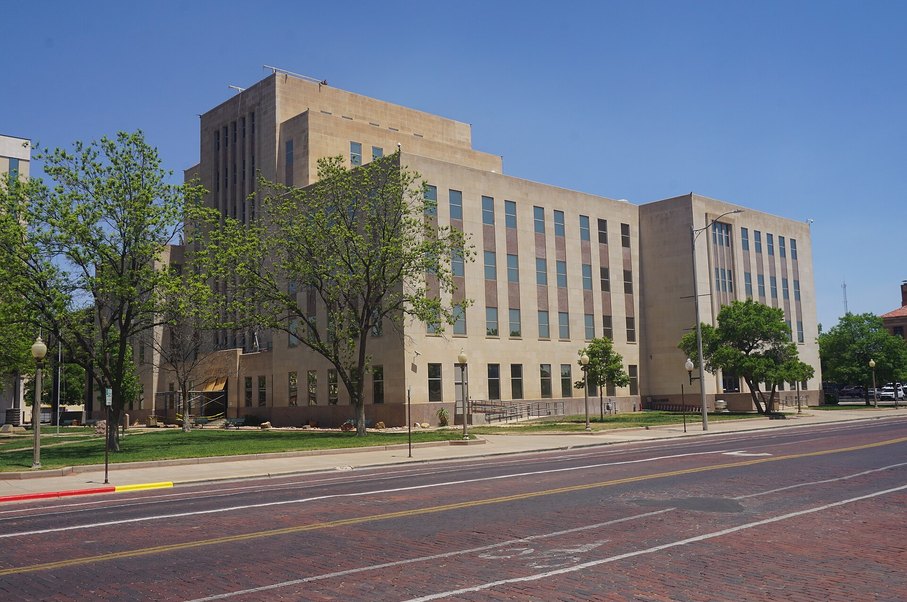
Photo: Michael Barera, CC BY-SA 4.0, via Wikimedia Commons (https://commons.wikimedia.org/wiki/File:Lubbock_April_2022_15_(Lubbock_County_Courthouse).jpg). Cropped.
